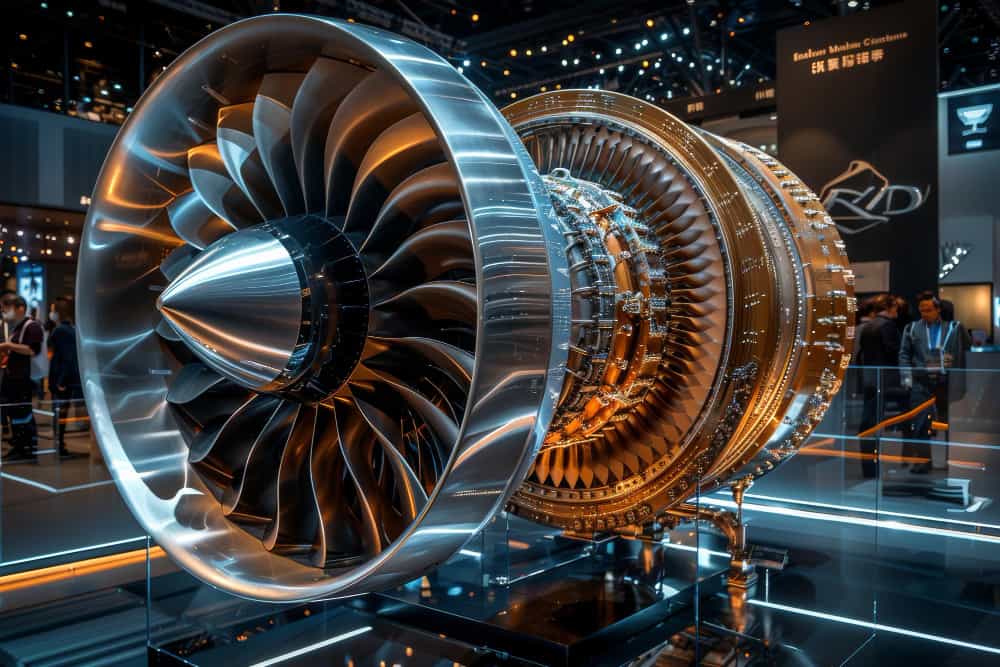
At Jawaharlal Aviation Institute, students exploring the DGCA-approved two-year Aircraft Maintenance Engineering programme can learn about the technical foundations of aircraft maintenance and the importance of precision, practical knowledge and safety awareness in this specialised field.
Understanding the Mechanical, Electrical and Electronic Systems of an Aircraft
Aircraft maintenance involves much more than inspecting an engine or replacing a component. Mechanical systems include engines, landing gear, flight-control mechanisms and other structures that support aircraft operation. These systems must be inspected and maintained according to approved procedures to help ensure their continued serviceability. Engineers and maintenance personnel need to understand how components function, how wear or damage may affect performance, and how technical documentation guides inspection and maintenance activities.
Electrical systems are equally important because aircraft depend on electrical power for numerous operational functions. Power-generation and distribution systems supply electricity to essential equipment, while wiring, sensors and associated components connect different systems. Identifying electrical faults requires systematic troubleshooting, careful interpretation of technical information and compliance with the appropriate maintenance instructions.
Modern aircraft also rely heavily on electronic systems, particularly avionics. These systems include navigation equipment, communication devices, flight instruments and monitoring technologies that provide pilots with essential information. Avionics components may interact with sensors, electrical supplies and other aircraft systems, making accurate diagnosis and an understanding of system integration important in maintenance work.
These areas cannot always be considered in isolation. An issue involving a sensor, for example, may affect the information displayed by an electronic instrument, while an electrical fault can influence the operation of connected equipment. Understanding these relationships helps maintenance professionals approach technical problems methodically rather than examining each component independently. It also highlights why aircraft maintenance requires a combination of mechanical understanding, electrical knowledge, electronic principles and attention to detail.
Why Technical Knowledge Matters in Modern Aircraft Maintenance
As aircraft technology continues to evolve, maintenance work increasingly involves interpreting technical manuals, analysing system information, using diagnostic equipment and following structured troubleshooting procedures. Digital monitoring systems and advanced avionics have expanded the technical knowledge relevant to the field, but they have not reduced the importance of fundamental engineering principles. Maintenance decisions must still be based on approved procedures, accurate findings and the applicable aviation regulations.
Aircraft Maintenance Engineering therefore demands more than an interest in airplanes. Students need to develop logical thinking, problem-solving abilities, precision and a strong sense of responsibility. Maintenance documentation is particularly important because inspections, repairs and other maintenance activities must be recorded correctly. Even a small oversight can have implications for aircraft safety, which is why professional discipline and compliance with established procedures are central to aviation maintenance.
At Jawaharlal Aviation Institute, aspiring aviation professionals can explore the technical side of the industry through its DGCA-approved two-year AME programme. Students interested in this pathway should review the current course structure, eligibility criteria, practical training arrangements and applicable licensing requirements before making an admission decision. Completing a course alone does not automatically confer an aircraft maintenance licence; the relevant regulatory requirements must also be fulfilled.